The Royal Institution are looking for three PhD students to join their Digital Team for a three-month internship to gain experience of digital media and science communication. These internships will run consecutively from September 2022 to July 2023, with some flexibility around exact start dates.
Robert Brench – ADAS

Robert is a 3rd-year PhD student at the University of Sheffield who completed his PIPS placement at ADAS, the UK’s largest independent provider of agricultural and environmental consultancy, policy advice and research and development. He was able to connect to ADAS with the help of LinkedIn, which has proven to be a vital networking tool. The WRDTP has its own LinkedIn group and page for our students to join and follow which we hope will enable more connections such as Robert’s in the future.
The featured image is of the logo for ADAS.
What did you do?
I worked with crop physiology and agronomy consultants at ADAS.
My first task was to review existing methods of analysing data gathered on farms and similar data sets and examine different methods to analyse the data collected over the last 7 years. I delivered the results of this as a presentation to the crop physiology group within ADAS.
The next part of my placement involved working with various consultants with trial carried out with various industrial partners using new products and techniques. This largely involved data preparation and analysis.
What made you want to do that particular placement?
I have long had an interest in the agricultural sector understanding how it works, the improvements that can be made and the changes necessary to move towards a more sustainable future. As a group who work closely with UK growers and the larger companies that support these growers, ADAS was centrally placed to provide insight into these interests.
How did you go about finding and planning your PIPS?
I reached out to a previous researcher at the university of Sheffield via LinkedIn and they helped me to arrange a placement.
What have you gained from doing your PIPS?
I have gained a larger appreciation of agricultural consulting. The skills that are required and the expertise and knowledge necessary. I have a greater appreciation for a range of statistical tools required in this field, some of which are transferable to my PhD work.
Secondly, the requirement to work to strict deadlines with multiple projects running in tandem has allowed the development of my organisation and time keeping skills. As well as a greater appreciation of my own abilities keeping to deadlines and the importance of reasonable expectations, particularly workload.
Finally, I have developed a network of contacts within an industry I am interested in working in after my PhD.
How would you sum up your PIPS experience?
Overall, my PIPS placement was a very positive experience, allowing me to work in an engaging environment and providing me with first-hand experience in an industry that greatly interests me. Not only will the skills I have been able to develop, but the contacts I have made, will undoubtedly provide new potential opportunities after finishing my PhD.
What advice would you give to other PGRs about PIPS?
I would strongly suggest investing time in researching potential roles and industries that might interest you. Linked in is a very powerful tool for reaching out to companies, with will mostly be more than happy to receive enthusiastic and skilled individuals such as those completing a PhD. Even if a role is not advertised, just contacting potential companies is a great way to potentially craft a more bespoke placement that suits what you are trying to get out of the experience.
–
Jake Leese – Oxitec
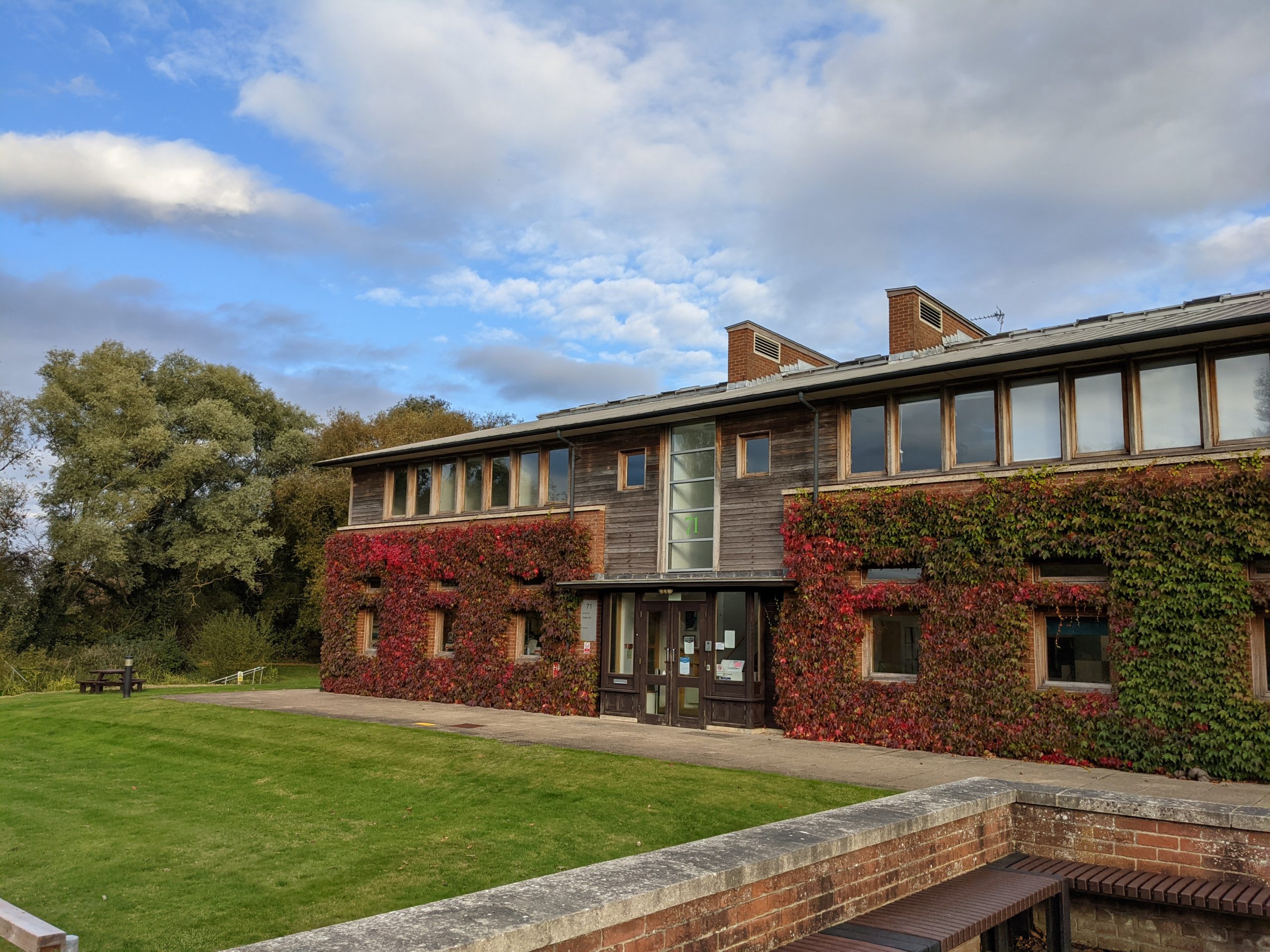
Jake is a PhD student at the University of Leeds who completed his PIPS placement at at Oxitec’s UK facility in Milton Park, Oxfordshire. Oxitec are a company that have been leading the way in the use of genetically modified insects as a tool for targeted pest control in areas of global health and agriculture. The most advanced of their projects is with the mosquito Aedes aegypti that transmits several viral diseases including Dengue, Zika and yellow fever. Oxitec’s FriendlyTM Aedes aegypti have been through field trials in Brazil, Panama, Cayman Islands and Florida, and are even now commercially available direct to consumers in Brazil.
The featured image is of the Molecular Building at Oxitec.
What did you do?
My placement was split into three rotations that gave me a broad overview of the work that is required to develop and maintain Oxitec’s transgenic insects. The first of these rotations was within the molecular lab, where transgene constructs are designed and transgenic individuals are genotyped to assess the viability and safety of candidate strains. The molecular team also support field trials by genotyping trap samples to monitor the spread of the transgene in wild populations. My work primarily involved DNA extractions and a variety of PCR reactions to support these tasks across several projects.
My second month was spent with the mass rearing team whose job it is to scale up insect production for future field release. I was brought into the team during a proof of concept experiment to produce 20,000 soy bean looper adults a week. This is a species of moth whose larval stage represents a serious agricultural pest in the Americas. Much of the day to day work revolved around preparing the diet and plastic housing for the larvae, and harvesting the pupae for adult cages before their eclosion. We also had to contend with consistent drawbacks from mould and viral outbreaks. We ran experiments alongside to try and establish the most efficient conditions for producing the best insect yield.
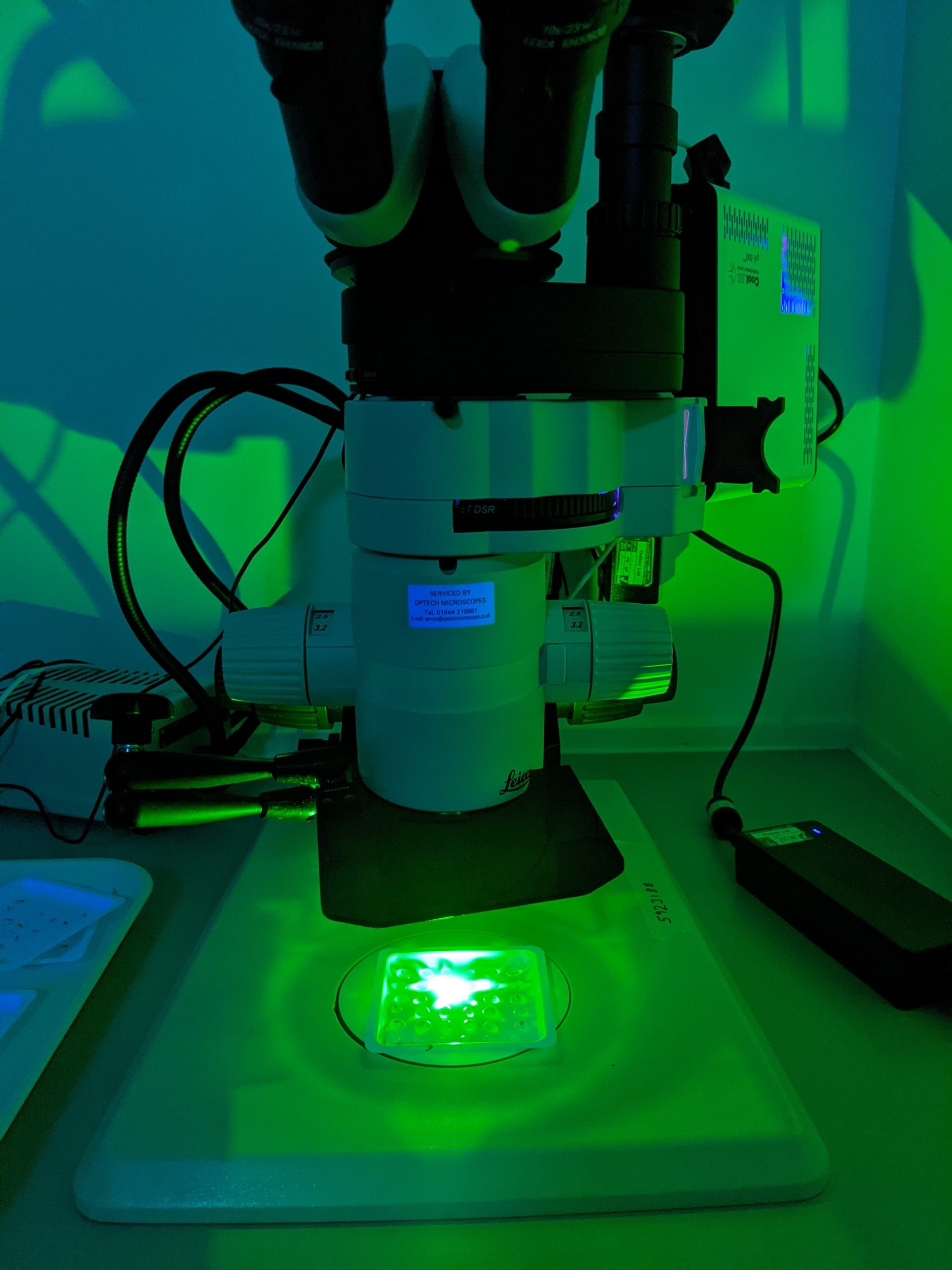
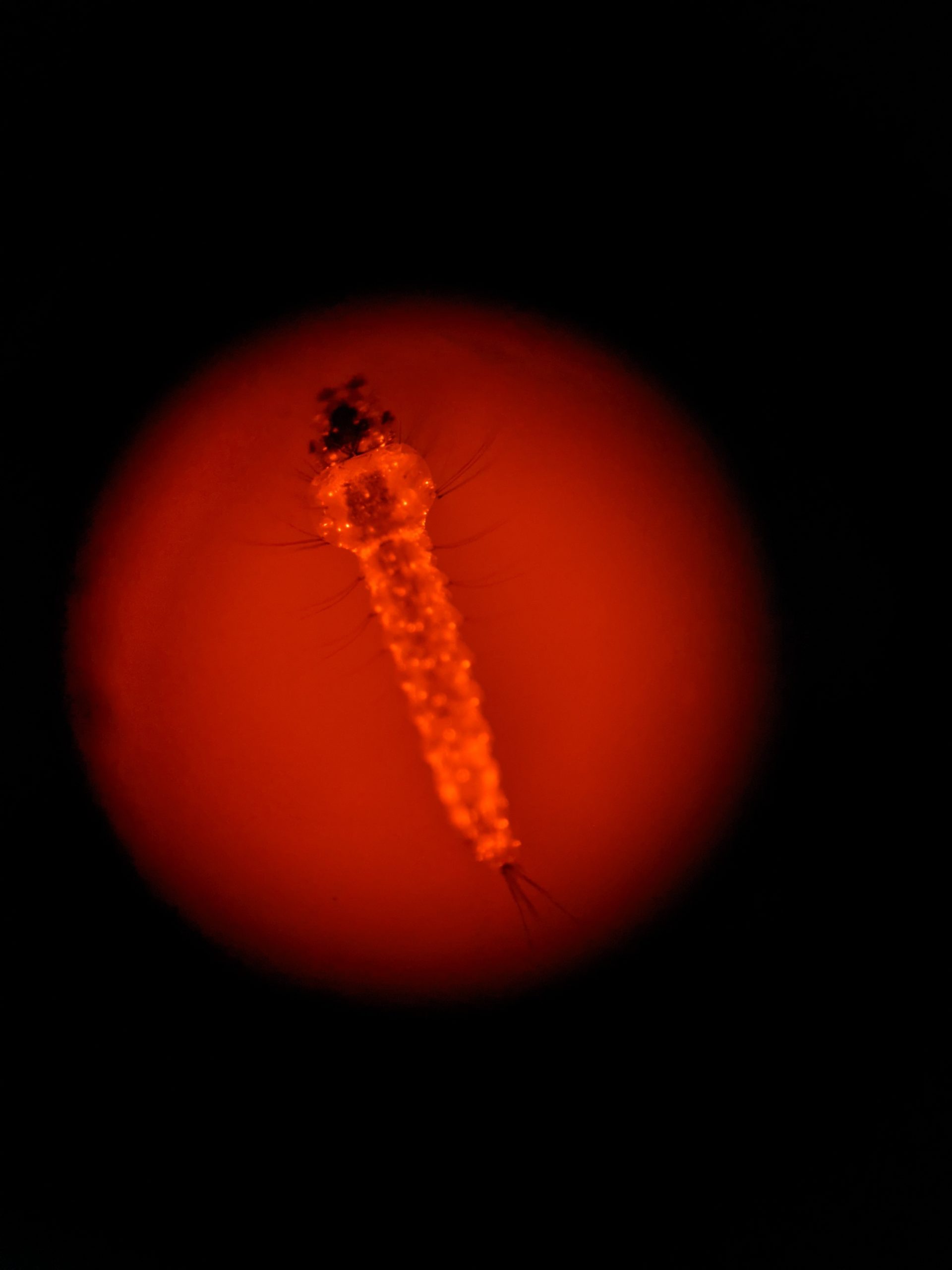
My final month was with the mosquito strain development team. Here I was performing micro-injections on Anopholes mosquito eggs, attempting to generate transgenic lines. I supported the team in maintaining and penetrance testing new lines, as well as screening the offspring larvae of injected mosquitos for first generation transgenics. The transgene includes a DsRed fluorescent marker so that the transgenic insects can easily be distinguished from their wild type counterparts.
What made you want to do that particular placement?
I wanted to get a taste for R&D work within an industry setting and Oxitec is one of the few companies I came across that could offer this whilst combining two areas of biology that I am particularly interested in, insect biology and genetics.
How did you go about finding and planning your PIPS?
For a while I was scanning through the directory of biotech companies listed in biopharmguy.com. I had reached out to several companies with no luck and then I happened upon a BBC article about Oxitec’s Aedes aegypti field trial in Florida and was immediately drawn to the company’s science and objectives.
After I saw this, I found out that an old post-doc from a partner lab at Leeds was now working there. I reached out to her and she helped bring it all together and became my key host contact throughout. This was very fortunate and reinforced the importance of having good connections.
What have you gained from doing your PIPS?
My time at Oxitec gave me a great insight into an industry R&D setting. Having worked in three different areas of the company and across several different projects at differing stages of development, I gained a clear overview of how the company operates. I was also lucky enough to attend two presentations by the CEO of the company whilst I was there which gave me a great perspective of how the technology was being field tested and rolled out abroad.
As well as an appreciation for the inner workings of the company, I developed a wide range of new research skills. My experience moving between labs also gave me a deeper appreciation for the subtle differences that team dynamics and communication can make in research.
How would you sum up your PIPS experience?
My time working at Oxitec showed me first-hand how my skills can be applied directly to tackling real world problems. The rotations gave me a good variety of experience across several different scientific disciplines and meant I was consistently being challenged over the course of the internship. The PIPS has provided me with a refreshing break from the PhD and I’m now going back to my own project with a new perspective and enthusiasm.
What advice would you give other PGRs about PIPS?
When you are looking, think about where you may have contacts already as this will help you get your foot in the door. That being said, there’s no harm in contacting places regardless of whether you know anyone there. Perhaps most importantly, don’t be afraid to keep asking questions throughout your internship… The better understanding you have of what you are doing, the more you will get out of the experience.
Defra: Environment & Public Health Secondment Opportunities
Are you interested in opportunities in the area of Environment and Public Health? If so, Defra are offering three different internship roles that you should consider applying for!
Read moreDefra: Environment & Public Health Secondment Opportunities
Leeds PhD Student Stars in Be Curious 2022 Show
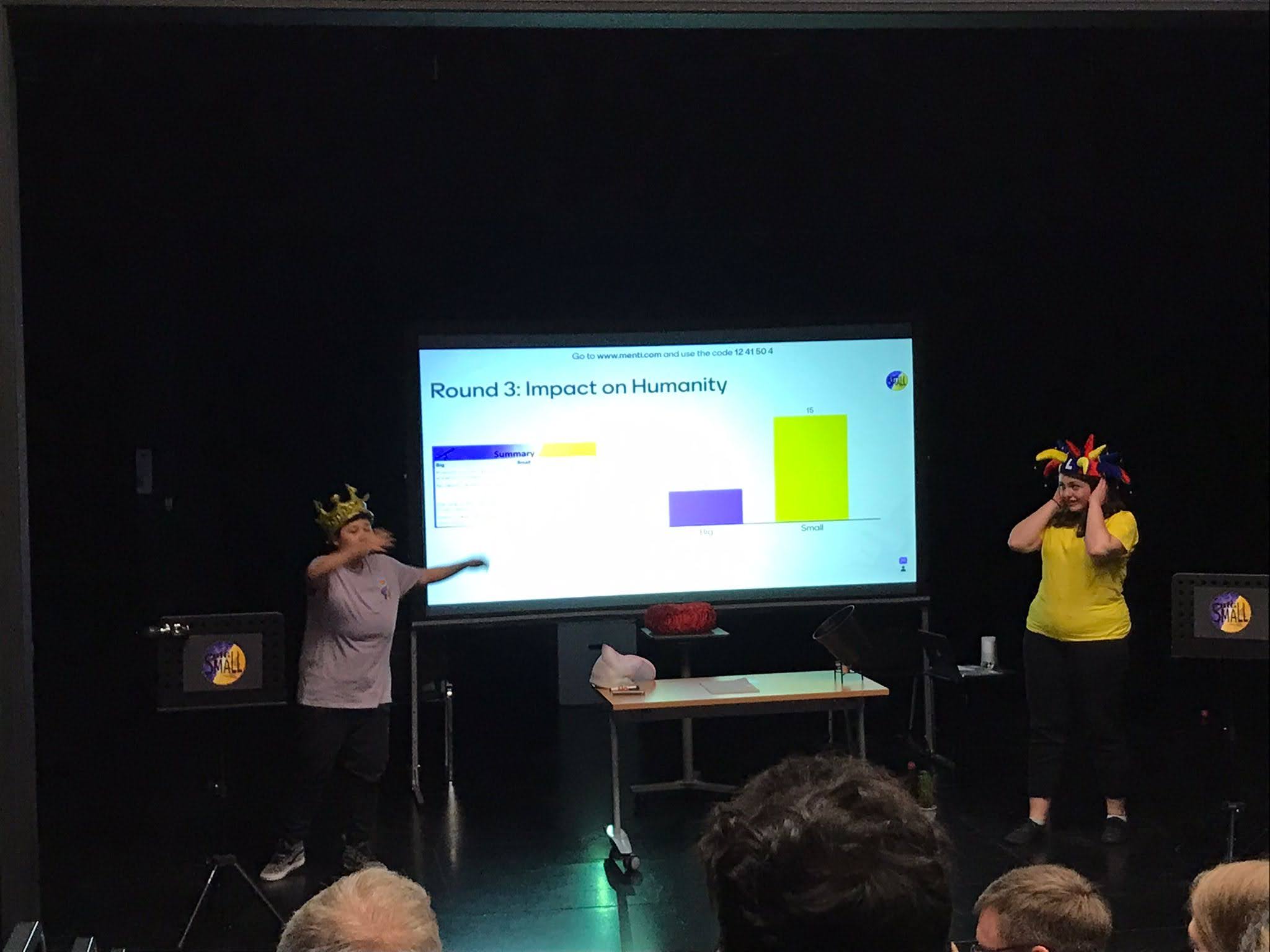
White Rose DTP PhD student, Alex Holmes, developed and hosted an interactive gameshow at this year’s Be Curious Festival in Leeds! We spoke to the superstar science communicator about the festival, how she came to be involved, and what she loves most about public engagement and making science accessible.
BBSRC White Rose DTP PhD Students Organize Pint of Science Event in York
A group of BBSRC White Rose DTP students from the University of York have teamed up to organize this year’s Pint of Science event in York – bringing cutting-edge research to a boozer near you. We spoke to event co-ordinator, and 3rd Year PhD student, Conor Scott to learn more about the event and what he hopes it will achieve.
Read moreBBSRC White Rose DTP PhD Students Organize Pint of Science Event in York
Royal Institution – Apply by 12 Apr 2022
The Royal Institution is looking for a PhD student to take on an internship as a Science Presenter Intern in our Young Scientist Centre for a 3-month placement to gain experience of presenting to a group of young people in an engaging, educational environment and to receive training in science communication. The internship is from May to July 2022, with some flexibility.
The successful intern will:
- Present hands-on science workshops to young people in the LYSC.
- Research and develop hands-on science experiments for Ri social media content.
- Work with the YSC team to develop content for other Ri activities.
For more information about our internship programme and details on individual placements, timeframes and how to apply, please see our website; https://www.rigb.org/about-us/work-with-us
The closing date for receipt of applications has been extended to 9am Tuesday 12 April 2022
Interviews are now planned for 26 & 27 April.
Please note, the Ri offers placements for students who are enrolled on a research degree under the Doctoral Training Partnership programme funded by Research Councils including the BBSRC, EPSRC, ESRC, MRC, AHRC and NERC.
You will need to obtain the grant holder’s written permission to undertake the placement, outlining any funding arrangements, before a position can be offered. [Note from the DTP Co-ordinator, Catherine Liddle: You will normally be sent a form to complete. Please forward this onto me, email: [email protected]]
The role is based in Central London; students will be expected to base themselves within or near to London for the period of the placement.
[Note: The RI will cover the travel cost of one return journey to the placement. The DTP PIPS allowance for travel and accommodation is £1,000 over the 3 month period. You will therefore need to find additional sources of funding to pay for accommodation in London for the duration of this placement.]
If you have any queries or need any further information about the Ri or these opportunities, please contact us at [email protected]
Kind regards,
Rakhshanda Hussain
HR Coordinator
Working days: Tuesday – Friday
Royal Institution, 21 Albemarle Street, London W1S 4BS
t: 020 7670 2907
Diverse Talent Scholarships – Apply now!
Follow the logo below to find out more about these new studentships.
Deadline for applications: Thursday 31st March 2022 23:59
Careers Spotlight: Rachael Evans, Trainee Patent Attorney
Rachael Evans was a White Rose DTP student in the 2014 intake at the University of York. Rachael was one of the alumni panelists who came to the 2019 Away Day to speak to us about their career – for Rachael, this is patent law at Mathys & Squire. I caught up with her recently to speak about how she got into the profession and how she’s finding it!
Read moreCareers Spotlight: Rachael Evans, Trainee Patent Attorney
Savvas Ioannou – University of York Technology Facility

Savvas Ioannou is a final-year PhD student based at the University of York. For his PIPS, Savvas decided to stay on campus and spent three months working within the Technology Facility at his university. He received specialist training to oversee projects from outside his usual field of expertise.
What did you do?
I completed my PIPS at the University of York and I was part of the Technology Facility (TF). I received training from the TF staff members regarding light microscopy, and holotomography. I was trained on sample preparation (mammalian and yeast cells) and imaging techniques using confocal microscopes/airyscan and holotomography/refractive index (Tomocube). I had the pleasure of working with specialists from the Tomocube company to ensure that the sample imaging was following the right specifications. I also had the opportunity to start working on the preparation of samples from mammalian cells for expansion microscopy, a new technique that will be used later on from the TF staff for various projects. Attending the meetings of the team also helped me to gain an understanding on how a core facility like this one is running.
“I wanted to do a hands-on PIPS and due to the COVID-19 pandemic and the travel restrictions, I decided to do my PIPS somewhere local in York.”
What made you want to do that particular placement?
I wanted to do an internship that will give me the opportunity to be involved in various projects. Undertaking a placement with the technology facility at the University of York gave me the chance to be trained under the supervision of experts in the field. I was aware that the TF in York receives samples from all over the country for processing and that intrigued my curiosity to learn how a facility with so many collaborations works. It was a great opportunity for me to be involved in various projects that were assigned to us from various labs or companies.
How did you go about finding and planning your PIPS?
I wanted to do a hands-on PIPS and due to the COVID-19 pandemic and the travel restrictions, I decided to do my PIPS somewhere local in York. I received an email that the Technology Facility at the University offered PIPS placements. I then contacted Dr Pete O’Toole and arranged a zoom meeting to further discuss these placements. I was really excited to be working closely with Pete and his team, and luckily I was accepted from the beginning and a great placement happened!
“Starting an unfamiliar project gave me confidence to be open to the idea of trying new career paths.”
What have you gained from doing your PIPS?
I truly enjoyed my PIPS. I had the opportunity to work with a great team and I was trained on new techniques that I would not have had the chance to learn during my PhD. Working with the TF staff and Tomocube specialists allowed me taking the lead role on driving the placement’s tasks while discussing the progress of the projects I was working on. This placement made me realise that most of the skills I have gained so far during my PhD are transferrable. Teamwork, organisation and time management skills were a few of the skills I developed further during this placement. It was an eye opening experience for me, starting an unfamiliar project like the Tomocube project gave me confidence to be open in the idea of trying new career paths.
How would you sum up your PIPS experience?
My PIPS experience was great. I learned a lot and got the chance to work on projects of a complex structure. The team of experts I was working with taught me well and opened me up to a type of work I wouldn’t have the chance to otherwise.
What advice would you give to other PGRs about PIPS?
When looking for your PIPS, take your time exploring your options. Do not worry if you do not have expertise in that field. The skills you gain in your PhD are transferable in several jobs. Undertaking a PIPS placement is a great opportunity to try a new path of career development.
Catherine Russell – Babraham Institute
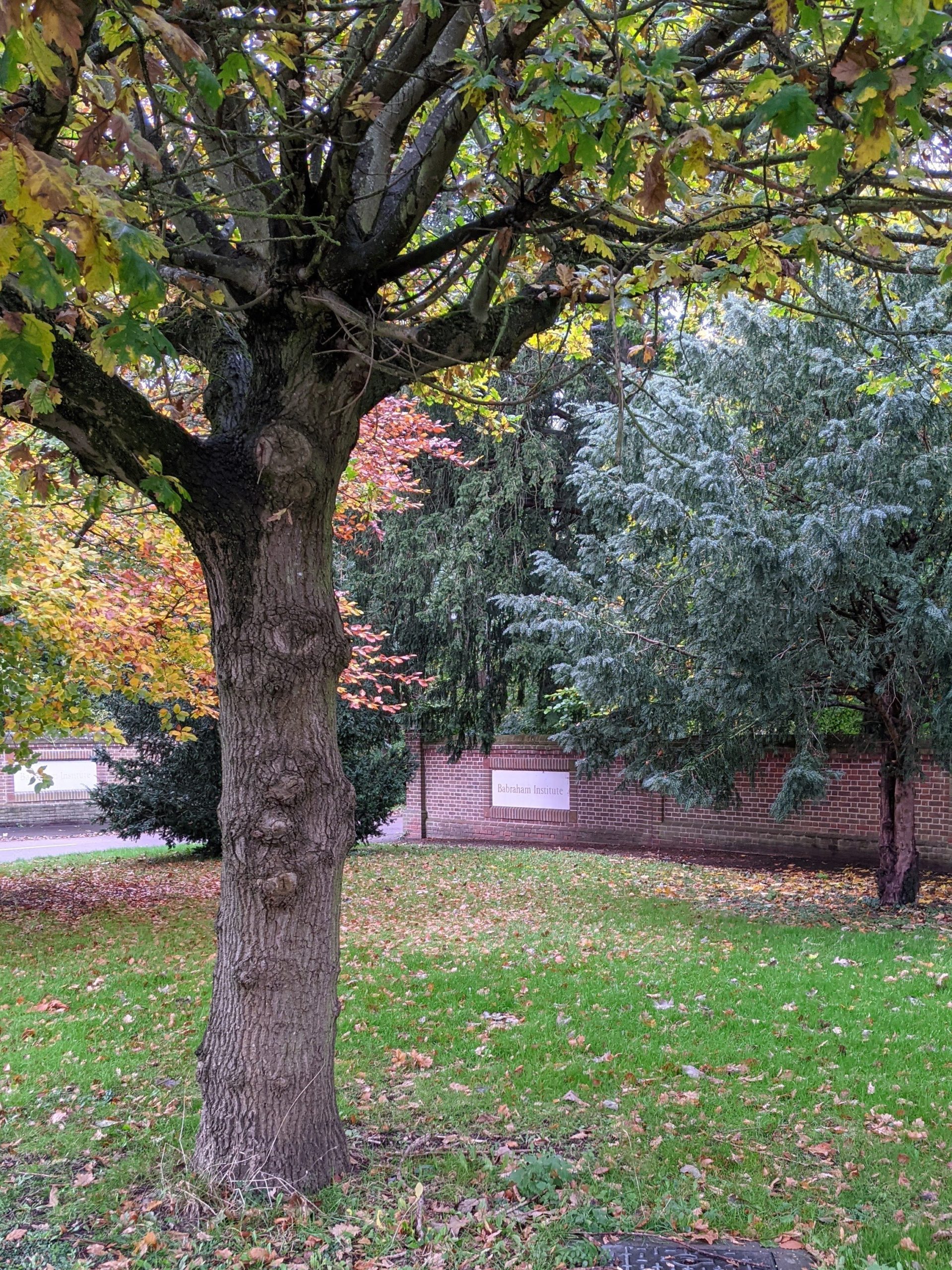
Catherine Russell, a fourth-year student at the University of York, spent ten weeks working remotely for the Babraham Institute in Cambridge. The Babraham Institute is a world-leading research institution that carries out research into how our bodies work, with a key focus on how they change as we age and during disease.
The featured images is of the Babraham Institute logo.
What did you do?
I was an intern with the Knowledge Exchange & Commercialisation (KEC) Team, in which I was involved in a wide range of projects and gained training in technology transfer. The KEC Team are responsible for translating scientific research and discoveries made at the Institute into benefits for external organisations. This is done through commercialisation and interaction with these other organisations. During my placement, I had the opportunity to gain experience in many different KEC activities, including licensing, patenting, policy making, database management, start-ups, and even book publishing. I also had the opportunity to write two blog posts, one about a policy workshop I attended and one on my internship as a whole.
What made you want to do that particular placement?
I was keen to do a placement that would give me experience in aspects of science research that I hadn’t had the chance to get involved with as part of my PhD. Specifically, I wanted to know more about the commercialisation side of research and gain new skills in areas distinct from those I have acquired throughout my PhD that would broaden my scientific knowledge overall. I was also really interested in the work done at the Babraham Institute, and particularly wanted a placement here because I was intrigued in their research into epigenetics, signalling and immunology.
How did you go about finding and planning your PIPS?
I was lucky enough to find a PIPS placement advertised through the White Rose DTP website that was just what I’d been looking for. I applied for this position and then had a meeting with two members of the KEC Team in which we discussed the placement and what aspects of technology transfer I’d like to get involved in. I was very pleased to later find out I’d been accepted for the internship and we organised my start date for later in the year.
What have you gained from doing your PIPS?
Through my PIPS, I gained a much deeper appreciation of the commercialisation side of scientific research and how complex this is. I learned a great deal about a wide range of areas of KEC, including licensing, patenting, IP, policy, and even had some experience in the book publishing process. I also got to learn a lot about the Babraham Institute, and the work the KEC team does in connection to the research being done.
How would you sum up your PIPS experience?
Overall, I really enjoyed my PIPS placement and I’m very glad to have had the opportunity to work at the Babraham Institute. The whole KEC team for made me feel so welcome, and I have gained useful new skills and a much deeper understanding of technology transfer.
What advice would you give to other PGRs about PIPS?
I would highly recommend looking for a placement that will give you the chance to gain skills and experience that you wouldn’t otherwise get from your PhD. For me, this was knowledge around the commercialisation side of science research, and this not only gave me a greater understanding of science research as a whole, but also provided me with new and useful transferable skills.


Ashley Hayes – Random42
Ashley Hayes is a fourth-year PhD student at the University of Sheffield who spent 3 months working remotely for Random42 Scientific Communication, a company that specialises in 3D medical animations and scientific storytelling.
The featured image displays the logo for Random42 Scientific Communication
What did you do?
I did my PIPS remotely with Random42 Scientific Communication. This company create 3D medical animations, in addition to virtual reality, augmented reality, and interactive experiences for the healthcare and pharmaceutical industries.
During my PIPS, I was a member of the science team, whose role is to ensure that medical animations are detailed, scientifically accurate and tailored towards the target audience. I had a wide range of responsibilities during my placement. This included conducting background research for projects, writing and referencing scripts for the animations, and putting together storyboards for the in-house animation team to use. I also sat in virtual meetings with the production team and the clients, which I really enjoyed.
I was involved with several projects, which were mostly based on the molecular processes underlying disease, and the mechanism of action of drugs. Several projects were on the go at once, and were completely different to each other, which kept things interesting for sure. No two days were ever the same! I got to see projects from the initial concept meeting with the client, right through to the final animation that was produced, which was very rewarding.
What made you want to do that particular placement?
A talk run by the BBSRC initially interested me in this placement. The talk was based on PIPS at Random42 and was given by the medical director of the company, Elly. She discussed in detail what a placement with the company would involve and also gave insight into the different types of careers within medical communications. This really inspired me, as did a blog post written by Sarah Gratton, who previously did her PIPS with this company.
How did you go about finding and planning your PIPS?
I contacted Random42 via the email address that Elly gave during her BBSRC talk, letting her know that I was interested in doing my PIPS there. Elly replied to my email, setting up a meeting shortly after to discuss a potential placement. During the meeting, we discussed in more detail what the placement could involve and discussed potential start dates. It was all straightforward, Random42 were very flexible on when I could start and planned it around what was best for my PhD, which I really appreciated!
What have you gained from doing your PIPS?
From my PIPS, I’m now a lot more certain that I want a career in medical writing. I’m also more confident that I’ve developed the skills and experience required to start a career in this field. I also feel like I’ve gained skills which will help with the final year of my PhD, such as thesis writing and presenting my work – which is always a bonus!
How would you sum up your PIPS experience?
I really enjoyed my PIPS experience. I found my role within the company to be varied and interesting and I got to learn so much in such a short amount of time. I’m appreciative of the science team at Random42 for giving me this opportunity.
What advice would you give to other PGRs about PIPS?
Don’t put off your placement! There may never be a perfect time to go, and it is well worth taking this time away from your research to develop skills and experience that will benefit your career. I had a really good placement and I know the company are looking for more interns to start soon as their busy period is coming up. I couldn’t recommend it more, lovely host organisation!
Editor’s Note: You can find information on how to apply to do your PIPS with Random42 here.
Joanna Greenman – CN-Bio Innovations

Joanna went to CN-Bio Innovations in Cambridge for her PIPS placement, a bioengineering company that specialises in developing single and multi-organ microphysiological systems and innovative lab technologies. They interact with many different pharma and biotech companies to improve the effectiveness and efficiency of preclinical drug testing with clinically translatable systems.
The featured image is the logo of CN-Bio Innovations.
What did you do?
I worked with the research and development team to try and introduce and integrate immune cells into their established organ on chip systems. A couple of previous preliminary experiments had been done, but my main role was to get this project up and running and generate a core dataset to understand how it can be introduced into other systems. I also participated in team meetings, journal clubs, Toastmaster and wrote a research proposal for the CEO to outline the plan for the project and future applications of my findings.
What made you want to do that particular placement?
I was keen to explore what research outside of academia looked like and see first-hand how a relatively small biotech company worked. The research that they are doing was also very different from anything I had done before and offered me the opportunity to apply my immunology background in a very different scenario – with a more application-based outlook.
How did you go about finding and planning your PIPS?
I did quite a lot of searching for biotech companies around areas where I had friends and family so I could have a chance to live in a different location for 3 months. Through family and friends links I heard about CN-Bio and emailed them to introduce myself. I then had quite an informal phone conversation/interview to find out more about the company and talk about what a placement might look like. It kind of just went from there with just a few more emails to finalise details and agree dates (~6months from the initial phone call).
What have you gained from doing your PIPS?
I have really appreciated being able to talk to so many of the different employees from different areas of the company (CEO and management, engineers, marketing, production and R&D) to learn about all the different roles and how they have come to be working for CN-Bio. I have gained confidence in my communication skills, presenting to different audiences and collaborating with many different people. It has also been good, but quite challenging, to be starting a new project from almost nothing and doing a lot of the initial proof of concept work, set-up, background research and problem solving.
How would you sum up your PIPS experience?
It has been a really good chance to try a very different area of research with very different end goals and targets compared with my PhD. I have learnt a lot about the workings of a company and really appreciated the healthy work life balance they encouraged.
What advice would you give to other PGRs about PIPS?
Start looking early and be willing to try something out of your comfort zone/completely new. Use any connections that you may have from friends and family to help you find your placements. Talk to as many people as you can wherever you are and find out about their career path/what they do.
Niche medical writing – Apply anytime
Niche Science and Technology Ltd have recently advertised some medical writing roles for new PhD graduates. See post on LinkedIn: https://www.linkedin.com/feed/update/urn:li:activity:6904758177192370176
They can also potentially take our students on PIPS placements. Have a look at their website:
If you are interested in exploring a PIPS opportunity with them, please contact our alumnus (2021 graduate), Ben Stevenson directly for an informal discussion, email: [email protected]
ABPI industry/academic links – Apply by 31st March 2022
Background information
Every two years ABPI, as the trade association of the UK pharmaceutical industry, monitors the training interactions pharmaceutical companies have with UK universities. These include undergraduate placements, PhD studentships and postdoctoral fellowships.
Collaborations between industry and academic institutions will also be identified and highlighted as part of this project.
Project offered
We are seeking a PIPS student to apply their scientific and project management experience in a policy context. The output of the project will be an interactive report for publication by ABPI and a slide set which can be used in presentations which highlight the contribution the pharmaceutical industry makes to the training of young people.
The project will be supervised by Andrew Croydon, Director of Skills & Education and Examinations, ABPI.
Timing
The project is ideally to be started around April-June 2022 but there could be some flexibility applied on discussion.
Location
The ABPI office is based at 105 Victoria St, London SW1E 6QT, although we have been predominantly home working since early 2020 and have hosted a number of interns remotely over the past 2 years – exact method of working open to discussion depending on Government advice at the time.
Benefits to student undertaking this project
This project will give the student an excellent overview of the biopharmaceutical sector and the interactions industry has with universities.
Contacts may be developed which could be helpful to someone considering a future career in industry.
Funding
Expenses will be refunded in line with ABPI standard expenses policy. Travel expenses for commuting into London (if applicable) will be paid.
How to apply
For more detailed information on the project contact Andrew Croydon ([email protected]; 0207 747 1436)
A CV and letter of application should be sent by email to Andrew Croydon, Director of Skills & Education and Examinations, ABPI.
The closing date for applications is close of business on 31st March 2022.
Egle Beigaite – CasZyme
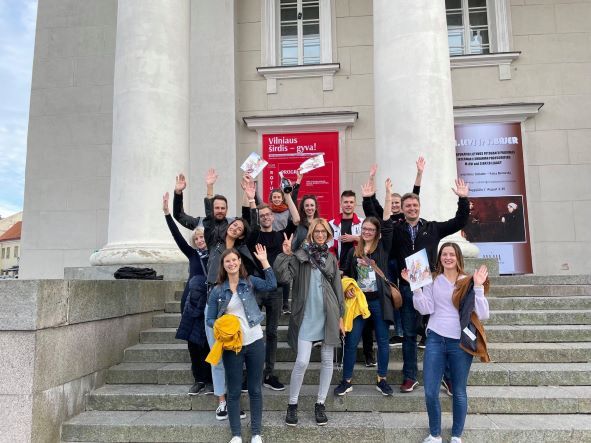
Egle Beigaite is a 4th year PhD student at the University of York who completed her PIPS placement at CasZyme, a biotech company based in Vilnius, Lithuania. CasZyme are an organisation whose research focuses on revolutionising the field of CRISPR-based Molecular Tools.
The featured image is of Egle with her PIPS colleagues.
What did you do?
My project focused on the characterisation of Cas proteins which could be used in genome editing. The techniques that I was exposed to included: colony PCR, protein purification using AKTA system (Ni and Heparin columns for affinity purification), bacterial cell transformation, cloning, RNA, DNA and plasmid purification using minipreps and midi preps. One of the main aims of my project was to determine the optimal growth and expression conditions for bacterial cells, which were then used to purify Cas proteins. I was also introduced to RNA synthesis (in vitro transcription), Cas protein and gRNA complex assembly as well as Cas activity assays.
What made you want to do that particular placement?
While relatively recent, CRISPR genome editing technology is becoming the main workhorse for genome editing in both academia and industry. Dr Gasiunas, who established the company, has previously worked in Prof. Siksnys’s lab and published several key papers in CRISPR research (Gasiunas et al 2012; Karvelis et al 2015; Gasiunas et al 2020). Prof. Siksnys, together with Prof Charpentier and Prof Doudna have received a prestigious Kavli prize for his independent development of CRISPR. I believed that it was the best accessible location for me to deepen my understanding in CRISPR technology and learn new protein characterisation techniques. In addition, this is a start-up company with only 10 employees. I thought that, by starting in such a small company, it would be easier for me to adapt and would also allow me to learn more things.

How did you go about finding and planning your PIPS?
Initially, I picked two countries I believed I could easily find an internship: the Netherlands and Lithuania (I am originally Lithuanian and started search way before COVID began), and researched biotech companies in both countries. After the interviews, I received two offers from Centre for Human Drug Research (CHDR, Netherlands) and CasZyme (Lithuania). Eventually, I chose to go to work for CasZyme as I really wanted to broaden my understanding of CRISPR technology.
Regarding CHDR, my project there would have focused on neurological conditions, which is what my PhD project is about, so I found it less interesting (although it seemed like an amazing place to learn new things).
What have you gained from doing your PIPS?
I have become more confident with working with large number of samples and have also learnt how to prioritise the experiments and to perform them as efficiently as possible. In addition, I have learnt how to use AKTA protein purification system and performing CRISPR complex assembly and Cas protein activity assays (which are performed in RNAase-free box).
I also gained invaluable experience in working as part of a small biotech company and learnt first-hand the importance of collaboration and teamwork. To ensure that projects were finished according to the deadlines, experiments were efficiently redesigned and redistributed to several staff members. I learned that great communication and flexibility with your team members is extremely important, as these people also teach you new techniques and can also help you to troubleshoot.
How would you sum up your PIPS experience?
Of course, pandemic has made it a bit more difficult to travel, but I am glad I did my PIPS in CasZyme as it was great experience. I have learnt a lot of new techniques and developed friendly relationship with my colleagues. My primary laboratory manager planned the project in such a way that allowed me to learn as much as possible during my placement and made the internship comfortable during these difficult post-pandemic times. I really enjoyed being part of research team and part of CasZyme community. Most of the staff were of my age, some also doing industrial PhDs. It was great to share the experience and support each other.
What advice would you give to other PGRs about PIPS?
Don’t be afraid to explore options outside your project (and comfort zone)! PIPS are aimed to help you learn new things, and add extra skills on your CV. I would personally recommend testing yourself in industry to see if you could work in a team with other people. The experience is also beneficial to see how industrial projects are managed and how things are generally organised (it might be quite different from your lab). I would recommend starting in a relatively small industrial company, as usually these biotechs are highly collaborative with academia and thus the working environment is slightly closer to the PhD in academia. Also, it means that you will be able to meet most of the staff during the placement and learn from them as much as possible.
Qiagen Oct 2022 to Aug 2023 – Apply ASAP
Making improvements in life possible
QIAGEN Manchester Ltd
CityLabs 2.0
200 Hathersage Road
Manchester
M13 0BH
LinkedIn | Facebook | Twitter | Instagram | YouTube
QIAGEN is the leading global provider of Sample to Insight solutions to transform biological
materials into valuable molecular insights. QIAGEN sample technologies isolate and process DNA,
RNA and proteins from blood, tissue and other materials. Assay technologies make these
biomolecules visible and ready for analysis. Bioinformatics software and knowledge bases
interpret data to report relevant, actionable insights. Automation solutions tie these together in
seamless and cost-effective molecular testing workflows. QIAGEN provides these workflows to more than 500,000 customers around the world.
QIAGEN employ approximately 6,000 people in over 35 locations worldwide. Our mission is to make improvements in life possible by enabling our customers to achieve outstanding success
and breakthroughs in life sciences, applied testing, pharma and molecular diagnostics. Our
commitment to the markets, customers and patients we serve drives our innovation and investment in all areas where our Sample to Insight technologies are required. The exceptional talent, skill and passion of our employees are key to QIAGEN’s excellence, success and value.
Project outline
In QIAGEN Manchester we focus on delivering solutions which facilitate personalised
healthcare. You will join a highly motivated team working on developing Molecular Diagnostic
PCR-based assays.
Duties that will be required:
- Design, plan and perform studies for individual research project to support the
- development of new diagnostic products
- Ensure that experiments are completed to the required quality and regulatory
- standards
- Analyse and present results in written reports
- Work as part of the product development team to ensure a safe and efficient laboratory environment
Essential skills
- University degree and currently completing a PhD in a relevant field
- Experience in molecular biology (PCR, RT-PCR, primer design, dPCR, NGS)
- Good analytical skills and attention to detail
- Planning and problem solving
- Positive attitude and self-motivated
Skills developed during placement
- Work experience in a professional environment
- Experience in new molecular biology techniques
- Day to day work following quality and regulatory standards
Number of Placements Offered: flexible
Possible Timeframe: Start dates are flexible between October 2022 to August 2023. The placement will last for a period of 3 months.
How to apply
Submit your application to the following contacts at QIAGEN:
James Curran ([email protected]) and Brandon Foster ([email protected])
Please include the following in email subject: PhD placement – “your name”.
Sense About Science – Apply by 2 May 2022
At Sense about Science, we have some new opportunities available for internships from summer 2022 with plenty of vacancies from September/October onwards going into 2023. Our internships are currently running on a hybrid basis, and we hope to move to in-person over the next few months. We will continuously review the situation in accordance with government advice across the UK.
Background on Sense about Science
Sense about Science is an independent charity that champions the public interest in sound science and ensures evidence is recognised in public life and policymaking. We equip people to ask the right questions, we equip researchers to answer them in human, and we work with both to advocate better standards of evidence in public life. We advocate openness and honesty about research findings, and strive to open up socially or scientifically difficult issues where evidence is neglected, conflicting or misunderstood.
Zinc.vc – Apply by 6pm Sun 27 Feb 2022
Zinc.vc is proud to be launching a flagship Innovation Internship programme for PhD students. We are giving ambitious and motivated PhD students the opportunity to undertake a three-month internship embedding research principals, methods, and their disciplinary knowledge in early-stage start-ups. This is a unique opportunity to experience research-in-action. This experience/support package will ensure our student interns are guided through their transition from academia to industry and take a wealth of useful skills and lessons back to their PhDs. We are aware that undertaking an internship with a start-up is a less traditional route for PhD students, which is partially why we think this opportunity is so valuable.
Zinc Innovation Internships 2021-22
Zinc builds brand-new companies from scratch to develop products and services that respond to urgent societal challenges. We’re looking for ambitious PhD students from a range of academic backgrounds, who are passionate about one or more of our missions to: improve mental health; enhance the quality of later life; and unlock new life chances for people affected by automation and globalisation. We are particularly interested in recruiting students with an interest in our current mission focus on improving mental health for children and young people. PhD students should be in their second year (preferably) although early third year candidates will be considered too. They must also be Research Council-funded given the internships are unpaid.
You can read more about this opportunity here. Applications can be made here, with a closing date of Sunday 27th February (6pm). To apply, you’ll need a short CV and a 2-page (~800 word) cover letter explaining why you’re interested in working with us. Once you’ve submitted these, we’ll also ask you to submit a 2-minute video telling us a bit more about how an Innovation Internship with Zinc will support your longer-term career goals. Full details are on the application page, but if you need more information or want to chat to us before applying, please email [email protected]
Please note the start date for the internships will likely be early May and run until early August.
You might also find it useful to watch some or all of the recording here of an introduction to the Innovation Internships programme, which includes thoughts and reflections from two current PhD students who have recently worked with Zinc and our ventures.
AMS Policy Internship Programme. Apply by 21 Feb 2022
Deadline for applications: midnight, Monday 21st February 2022
The Academy of Medical Sciences is welcoming applications for policy internships to take place in 2022/23.
Our policy internship scheme is designed to give PhD students first-hand experience of the medical science policy environment, to gain insights into how research can impact on policy, and to build valuable networks with the UK’s most eminent medical scientists and key science and health stakeholders.
Successful applicants will join the Academy’s close-knit and influential policy team for 12 weeks (three months) to contribute to a wide range of our activities. They will receive one-to-one line management, a tailored workplan and will gain valuable transferable skills for careers both within and outside academic research.
Applications will be welcomed from Wednesday 19 January 2022 and must be received by midnight on Monday 21 February 2022. Interviews will be conducted in the week commencing 28 February 2022.
Eligibility
The scheme is open to all UK-based PhD students (based in a university or institute), including clinicians undertaking a PhD as part of their Clinical Research Training.
In order to be eligible, interns must have access to either:
- a three-month extension to their PhD maintenance stipend, or
- funding for a three-month placement integral to the programme.
To apply, candidates are asked to supply the following, which must be submitted in pdf format:
- An application form, including an endorsement and a supporting statement from their supervisor, and an endorsement by the Programme sponsor (the PhD Programme Director).
- A short covering letter briefly describing their reasons for application.
- A CV.
- A short article, of no more than 800 words in length, on a medical science policy topic.
Further details on the scheme and application are available on the Academy’s website and application forms can be found via this link. Please direct further questions to Dr Tom Livermore (tom.livermore@acmedsci.ac.uk).
Tom Emrich-Mills – Phase BioLabs
Where did you go and what did you do?
Phase BioLabs at The University of Nottingham – working in the Biodiscovery Institute in Prof Nigel Minton’s large and extremely well-equipped synthetic biology lab. My PIPS supervisor and boss was David Ortega, an ex-PhD student of Nigel’s and the founder of a recent start-up called Phase BioLabs – https://www.phasebiolabs.com/
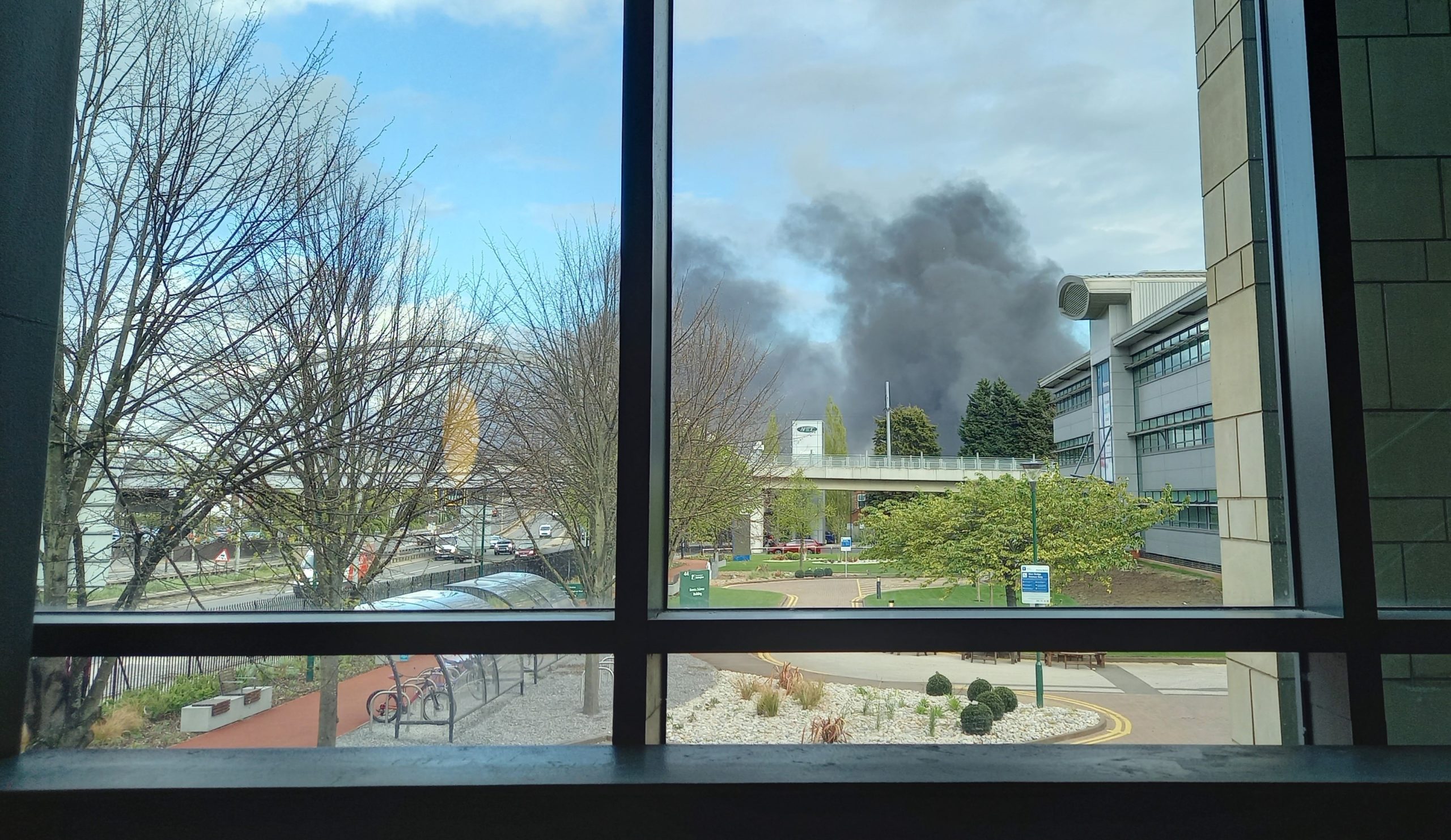
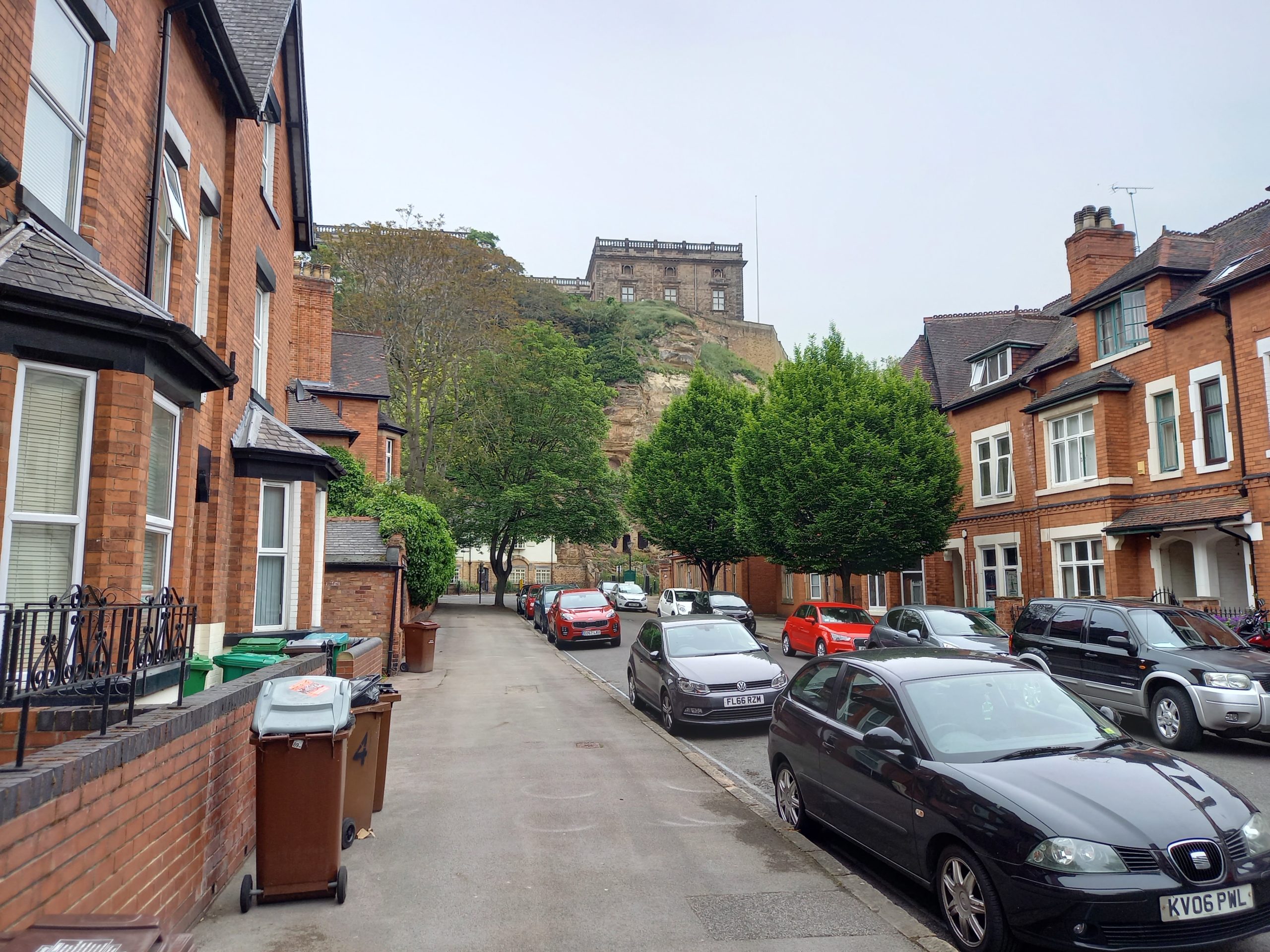
The featured photo at the top of this article is the view from the Biodiscovery Building at The University of Nottingham.
David wants to produce solvents, plastic precursors and other high-value commodities from anaerobic bacteria using waste CO2 and renewable hydrogen as the only two feedstock gases. If performed at scale, this technology could be carbon neutral and make use of vast quantities of waste CO2 from the fermentation industry.
I undertook a mixture of lab work and online research. The lab work was split between proof-of-concept work regarding the gas fermentation technology used by Phase Biolabs and engineering new systems into the organism to enhance the range of products the company could manufacture. The online work was mainly market research and research into lifecycle assessments and emissions data for new chemical products, as well as searching for EU funding calls for the company.
What made you want to do that particular placement?
David was the first to respond from five or so renewable or climate change-focused companies to which I enquired. His website was impressive, and his mission statement and his enthusiasm were encouraging, so I was happy to organise a meeting with him over Zoom. He introduced me to the field of anaerobic bacterial research and suggested some papers to read. The project sounded really interesting and there happened to be plenty of non-lab work to go alongside, enabling me to work remotely for the beginning and end of the placement.
How did you go about finding and planning your PIPS?
Keen to find a non-academic enterprise working in climate change or sustainability science, I spent three hours or so gathering information for companies in the UK that had an impressive mission statement. All it took then was several emails explaining my background and offering my help.
Once David was on board, the PIP was delayed due to the ongoing lockdowns. David and I were in frequent communication so finding a suitable three-month period was not too tricky.
What have you gained from doing your PIPS?
My time at Phase Biolabs was brilliant. I experienced a fleeting but illuminating insight into the world of anaerobic bacteria research and the synthetic biology involved in engineering metabolism, especially towards engineering the production of chemicals from microbes.
I now have a much better understanding of market research as a concept and a practice. Finding out about the market you are aiming to disrupt is far more difficult than I envisioned, with many summaries and reports behind steep paywalls, key figures and references hidden in gigantic reports and relevant organisations unwilling to talk freely over the phone.
From a peek into the world of commercial funding, I now also have a sliver of understanding about work that goes into sourcing money for a start-up like Phase Biolabs.
How would you sum up your PIPS experience?
A welcome break from my research field. Hard work, but rewarding, interesting and mentally refreshing.
AMRC research intern – Apply anytime
 Research and Membership Intern with the Association of Medical Research Charities (AMRC).
3 months, ideally from early February 2022 but applications will be considered on a rolling basis.
Download the job description for details:
Note about funding: This employer is based in London. The placement can be conducted part on-site and part remote-working. The DTP PIPS allowance is a maximum of £1,000, which in itself will not cover the full costs of a 3-month on-site placement. Please bear this in mind when negotiating your work plan. See the PIPS Funding page for more information:
https://www.whiterose-mechanisticbiology-dtp.ac.uk/pips-funding/
Royal Institution – Science Engagement Intern – Apply by 12 Jan 2022
The Royal Institution is world-renowned as the home of science and we are now looking for a PhD student to take on an internship with us as Science Engagement Intern to join our Schools Programme for a 3-month placement to gain experience of education outreach and science communication. The internship is from end of February to end of June 2022.
The Science Engagement Intern will lead on the launch of the new ‘Faraday Box’ pilot scheme to develop partnerships with our local school communities.
I am attaching the job description for the internship in PDF (for sending out to students as necessary).
For more information about our internship programme and details on individual placements, timeframes and how to apply, please direct students to our website via this link: https://www.rigb.org/about/work-with-us/programme-placements/phd-internships
The closing date for receipt of applications is 9.00am on Wednesday 12 January.
Please note, the Ri offers placements for students who are enrolled on a research degree under the Doctoral Training Partnership programme funded by Research Councils including the BBSRC, EPSRC, ESRC, MRC, AHRC and NERC. These opportunities are only open to PhD students who are eligible for a stipend via their DTP/University/research council in order to undertake a 12 week professional internship. Students should check with their university that they are able to secure funding before applying. They will need to obtain the grant holder’s written permission to undertake the placement, outlining any funding arrangements, before a position can be offered.
The role is based in Central London, with a mix of home and office working; students will be expected to base themselves within or near to London for the period of the placement.
Using Twitter to cause a stir
Forget LinkedIn, welcome to the “all professionals should be using Twitter” blog.
Alina Capatina – Random42
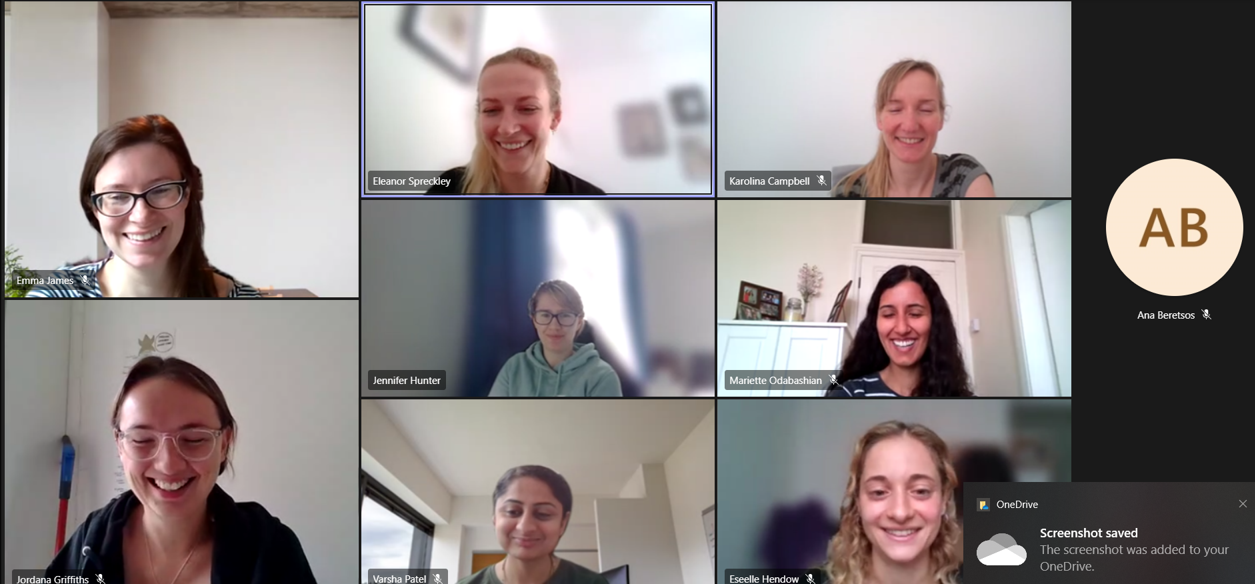
Alina Capatina, a third-year student at the University of York, completed her 3-month placement at Random42, a medical communications company situated in central London, specialised in producing 3D medical animations, documentary films, augmented and virtual reality as well as interactive experiences. The placement was completed remotely due to the COVID lockdown.
The featured image is a screenshot of Alina with her PIPS colleagues in an online team meeting.
What did you do?
During my placement I worked as part of the science team at Random42. I was sitting on client calls and taking notes regarding the scientific background of their desired animation, recording their visual and design preferences, as well as keeping track of their timeline and key deadlines. I was also in charge of doing the scientific research for several different projects and putting together scripts, which included both the narration of the animation and the scene directions.
Once the scripts were approved by the client, I would be in charge of designing a storyboard that would visually represent the content of the script, allowing the production team to understand the dynamics of the animation. This was particularly challenging, as scientific accuracy regarding not only the crystal structure of the proteins involved, but also their correct topology (e.g. for membrane proteins), was required.
Additionally, I also had the opportunity to record several voice-overs that would be added to the videos, until the animation was finalised, to help the production team synchronise the text and the visuals.
Overall, the placement allowed me to experiment with a variety of activities, each of them involving a different set of skills. I was thus able to become more flexible and self-confident and I learned to adapt very quickly, not only to different research topics, but also to different tasks, in order to complete my work as quickly and efficiently as possible.
What made you want to do that particular placement?
My current PhD project is entirely lab-based and during my undergraduate degree I completed several lab-based summer internships, in an academic context, as well as a 12-month industrial lab-based placement. Therefore, I do have experience with experimental work, and I love being in the lab, which is why I thought that I should take advantage of the PIPS opportunity in order to experience something that is still related to science but that is completely different from what I have been doing so far. I am also a relatively quiet, introverted, and creative person that does not enjoy the spotlight that much, but prefers working behind the scenes. So, I thought I would look for a placement that would allow me to employ and develop my non-lab related skills.
When I discovered Random42, I instantly knew it was the right opportunity for me, it was a chance for me to be creative, play with images and put together stories, while learning more about different scientific topics. I saw a chance to use my scientific background to make information more accessible to the general public in a fun way. The work I have been doing at Random42 taught me to always question (‘What is the final purpose of my research?’, ‘How is it going to impact people?’), as well as reminding me that I should not get caught up in little details, but always try to detach myself and see the bigger picture. It was an extremely valuable experience both on a personal and a professional level.
How did you go about finding and planning your PIPS?
For me, the process of finding my placement was very short and straightforward. I started by looking at the list of places where other WR DTP students have completed their PIPs in previous years, and that is where I found Random42. I spent a few good hours reading about their work on their website, had a look at some of their videos, I even watched a documentary that they contributed to, and I really liked their work. So, I sent an email to them with my CV, expressing my interest in their company. On the same day I got a reply saying that they would be very happy to have me. Just before completing all the paperwork, I also got in touch with the student who completed her PIPS with this company the year before, and she had very good feedback about the work and the people working there. That gave me a lot of confidence about the company, so I decided to go through with the paperwork and in the end it all turned out very well.
What have you gained from doing your PIPS?
I really enjoyed my PIPS, mostly for the fact that it allowed me to experiment with a variety of activities that are very different from my daily lab work. I think one of the most important things that I gained from this placement was more self-confidence. In this placement I was put in a completely new environment with completely new tasks and I had to learn and adapt very quickly, and complete all my work according to specific deadlines, which would often change throughout the day. It was a type of work that required a lot of flexibility and plasticity as well as teamwork and good communication with supervisors and co-workers. The fact that I managed to face this challenge in a way that made my supervisors very happy, and the fact that I felt valued and appreciated for my work, gave me great confidence in my skills and knowledge, and I became more open-minded and braver in terms of my aspirations regarding future career choices.
How would you sum up your PIPS experience?
One known fact about our memory is that we tend to forget actions and facts, but we always remember how something, or someone, made us feel. Therefore, if I was to sum up my placement experience in a way that is meaningful to me, I would say: exciting, creative, empowering, and eye-opening.
What advice would you give to other PGRs about PIPS?
I think it is very important to make the most out of every opportunity we have. I m very happy working in the lab right now, but that might change in the future, and I wanted to use this PIPS opportunity to research what else it is out there that I could happily do. I think the best advice would be to try and use the PIPS as a chance to learn more about yourselves, see what else you like, get out of your comfort zone, and just try something different. It is an amazing opportunity to experience because you have nothing to lose, but you might just gain a lot more than you think.
Editor’s Note: You can find information on how to apply to do your PIPS with Random42 here.
Alex Holmes – BBSRC
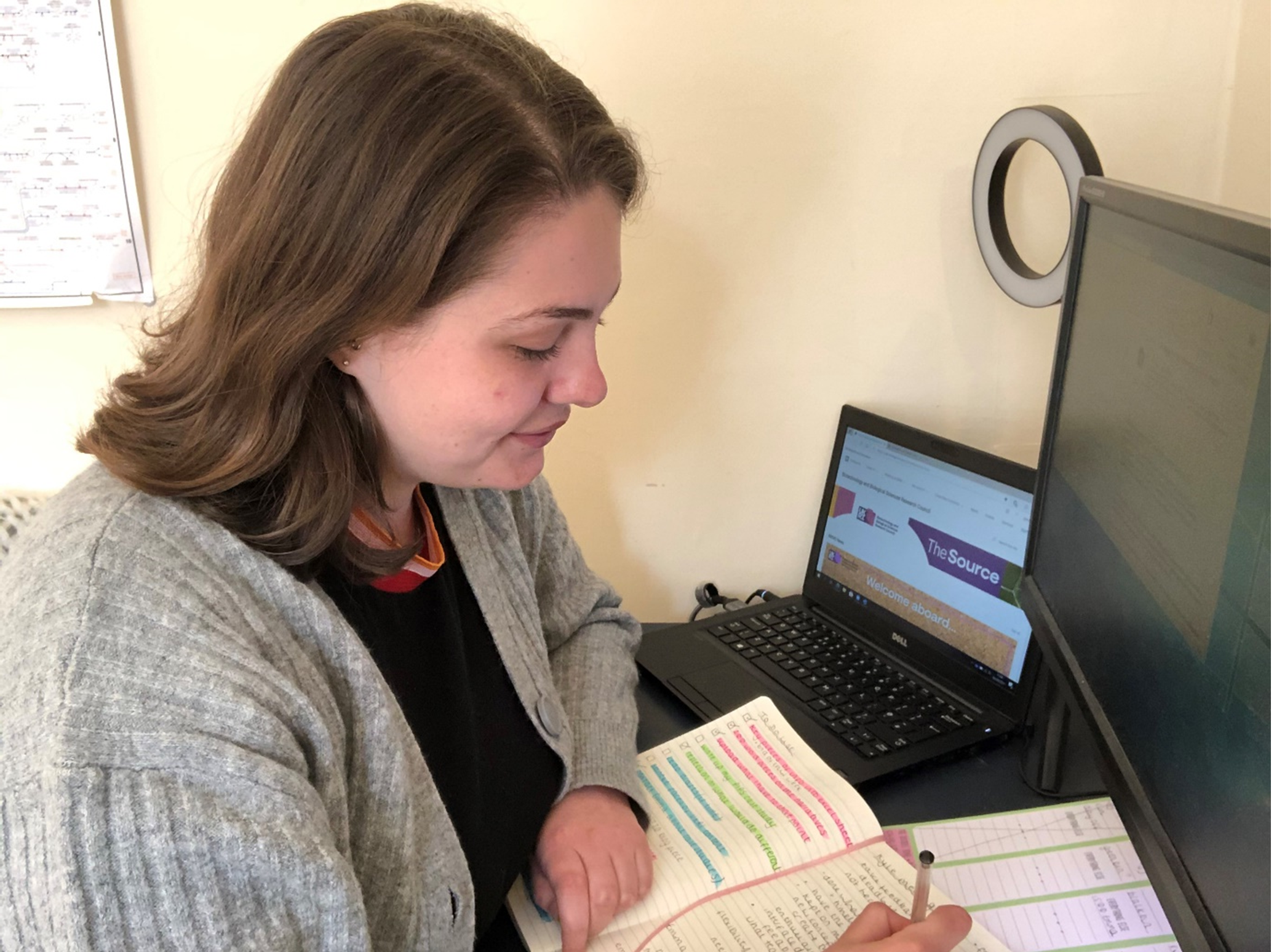
Alex Holmes, a 4th year PhD student at the University of Leeds, undertook her PIPS placement remotely at the BBSRC. This is the major research funder for the biosciences in the UK. She worked in the Frontier Bioscience team, which is part of the Research Strategy and Programmes domain.
Careers Spotlight: Oliver Severn, Singer Instruments

In this series of blogs we have been contacting past BBSRC-funded students to talk about their careers after the PhD. The aim is to show you the variety of jobs a PhD can help you obtain!
In this second post we talked to Oliver Severn, who is a Quality, S&S and Research Manager at Singer Instruments. Ollie completed his PhD in 2018 at the University of Nottingham. He studied Quorum Sensing System B and how it affects the production of butanol by Clostridium acetobutylicum.
Read moreCareers Spotlight: Oliver Severn, Singer Instruments
Careers Spotlight: Caitlin McQueen, PDRA
We caught up with Caitlin McQueen, one of our DTP alumni who graduated in 2018 from the University of York, current postdoc in the Towers lab at The University of Sheffield, to find out a little bit more about her career path!
Amy Stonadge (nee Brown) – LAMP Labs
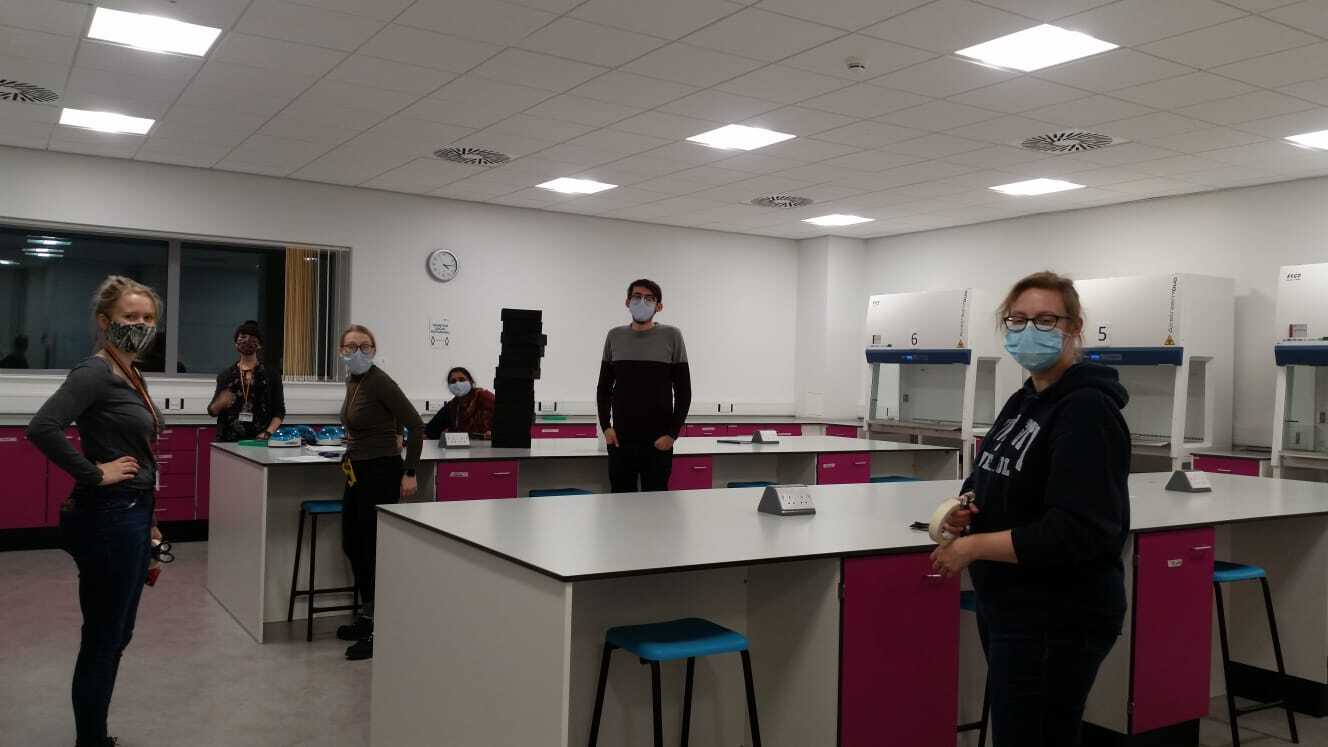
Amy Stonadge (nee Brown) is a PhD student at the University of York who took part in a 3-month placement in the new COVID-19 LAMP Labs at the University of York. The LAMP Labs are a new collaboration between the University, Capita and the NHS and are working to establish a COVID-19 testing laboratory for frontline NHS staff. Read on to find out more about Amy’s PIPS experience!
Get to know… your WRDTP reps – Karolina Pyrzanowska
Karolina did her undergraduate degree in Biological Sciences at the University of the West of England. In between her 2nd and 3rd year she spent 12 months working in a research laboratory at Virginia Commonwealth University in the USA, where she investigated an in vivo cleavage assay for a phage-related ribosomal cysteine protease. By the time she returned to the UK she was very keen to continue exploring the world of phages and so chose a 3rd year project characterising a giant Acinetobacter phage.
Read moreGet to know… your WRDTP reps – Karolina Pyrzanowska
Random42 science communication – Apply anytime
Random42 Scientific Communications Internship
Although this is a rolling deadline, applications are encouraged as soon as possible to ensure you don’t miss out.
About us
Random42 provides digital scientific communication solutions to the pharmaceutical and biotech industries, and we have an in-house team of PhD level scientists who work on content and client management. Random42 consists of scientists, artists, animators and programmers, who collaborate to effortlessly intertwine the worlds of science, art and technology, producing some of the most impactful scientific imagery, stories and interactive experiences.
Find out more here: https://random42.com/
See also the blog posts written by our recent PIPS interns:
Sarah Stevenson (nee Gratton): https://www.whiterose-mechanisticbiology-dtp.ac.uk/sarah-gratton-random42-scientific-communications/
Ashley Hayes: Watch out for Ashley’s PIPS case study coming soon on the DTP website!
What you will do
The PIPS intern would join our medical team to work on the following areas day to day:
- Researching background information for new projects
- Drafting short scripts – This involves putting together a word document that includes the narration and a description of the visuals to be paired up with the voice-over
- Referencing scripts (each statement must be backed up by recent publications)
- Putting together reference packs and adding annotations to storyboards
- Sitting in on client calls to gain live-feedback on scripts and project progress
- Making script/reference amends as requested by clients
- Researching specific protein structures via the Protein Data Bank and drug molecules via Pubchem, to ensure a high level of scientific accuracy in projects
- Putting together storyboards to brief to our production team
- Spend time with our Production Director to see the process of modelling various structures, and how these are then turned into a scene and animated
- Gain an understanding of the whole project process, from script to voice over recording, animation and delivery of the final video
Benefits to the student
- Client management skills
- Writing skills for different audiences
Working with creatives - Digital asset approval processes
- Quality checking
- Brief writing and presenting
Benefits to the company
Previous interns have had a huge impact on projects, helping push them to completion in time for deadlines, checking quality and scientific accuracy, gathering background information and helping to form storylines. In short, they become one of the team!
Ideal candidate
A keen eye for detail, a creative mind and a drive to get things done for deadlines.
When
3 months, available to start ASAP.
Where
114-116 Marylebone Lane, London, W1U 2HH, UK
The internship can be done in-person or entirely remotely as we work on a hybrid system.
Contact details for queries
Eleanor Spreckley, email: [email protected]
How to apply
Please email [email protected] with your CV and a covering letter explaining why you are interested at working at R42.
Deadline for applications
Interested students can apply at any time. However, this is a popular internship so applications are encouraged to apply ASAP.
UKRI-BBSRC Global Challenges – Apply by 5 Nov 2021

Professional Internships to Support UKRI-BBSRC Strategic Analysis and Communication of Impacts from Research Projects Focused on Tackling Global Challenges
An opportunity exists for two Professional Internships for PhD Students (PIPS) placements within the International team of UKRI-BBSRC, with a focus on International Development.
Download the flyer for more information: 2022 UKRI BBSRC Global Challenges flyer
Where
This placement is offered on either a remote-working basis or a combination of in-person and remote working at the UKRI BBSRC offices in Swindon.
Contact
Queries relating to the project to be directed to Heather Alford ([email protected]).
How to apply
The closing date for applications is Friday 5th November 2021. Completed application forms to be sent to [email protected]
Download the application form here: 2022 UKRI BBSRC Global Challenges applic form
Interviews will be held the week of 15th and/or 22nd November 2021 by Zoom. You should ideally be available to start your placement in January 2022, but this can be negotiated.
Get to know… your WRDTP student reps – Victoria Hill

Victoria Hill is a 2nd year PhD student at the University of Sheffield in Tim Craggs lab – she is also one of your fantastic student reps! We had a Q&A with Victoria to get to know her a little better. See below for Victoria’s interview covering a range of topics from her hobbies to her PhD research and her experience of starting a PhD in the middle of a global pandemic, which many of you will be able to relate to!!
Read moreGet to know… your WRDTP student reps – Victoria Hill
Get to know.. your WRDTP student reps – Katie Gelder
Meet Katie! A ‘blob’ scientist and one of your DTP reps based at Sheffield, find out more about her below!
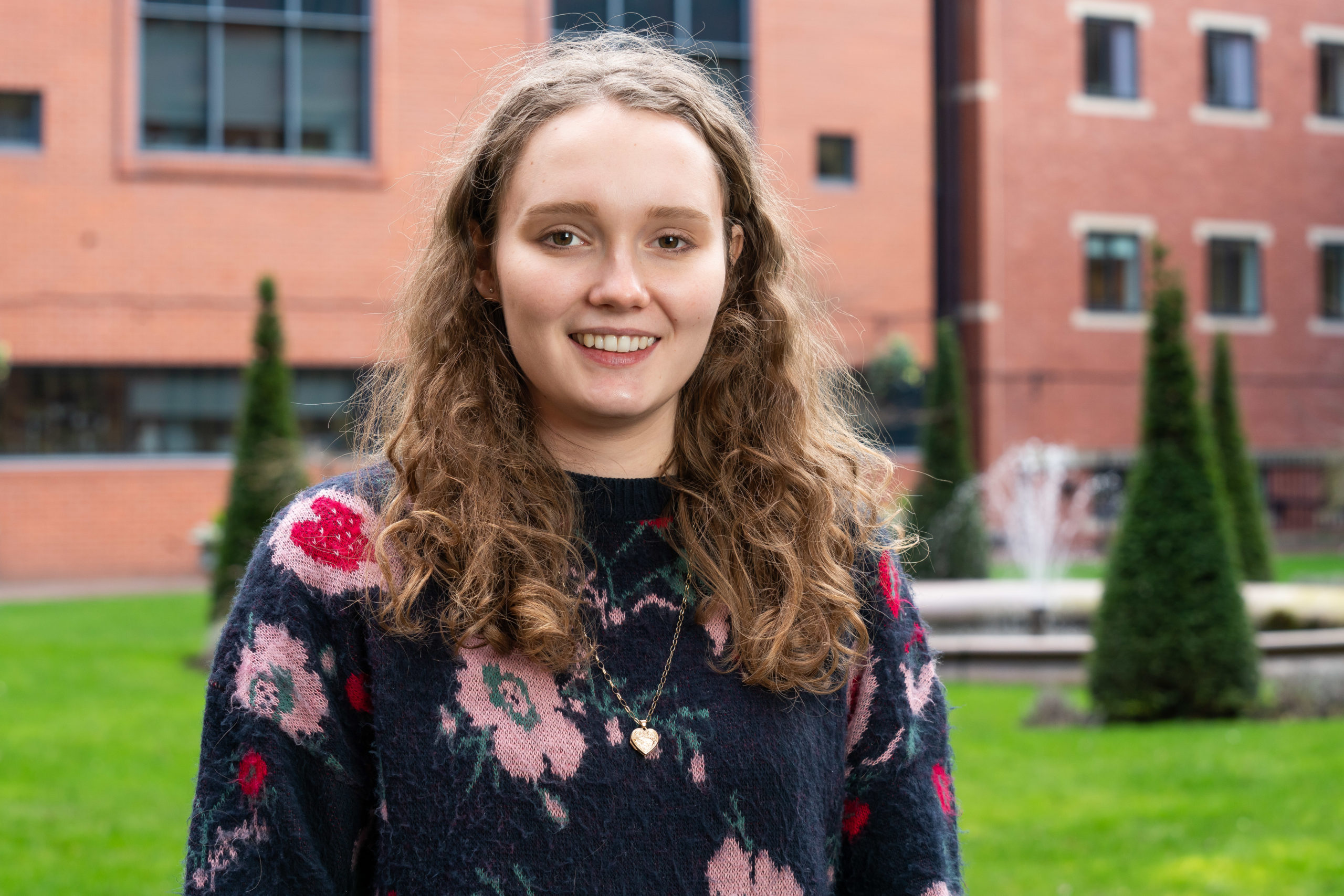
Read moreGet to know.. your WRDTP student reps – Katie Gelder
PhD Researcher wins place in international ‘Falling Walls’ public engagement final
Biology PhD researcher Theo Issitt, from the University of York, heads to Berlin in November after beating off strong competition to win a place in the final of the international Falling Walls ‘Emerging Talent’ competition.
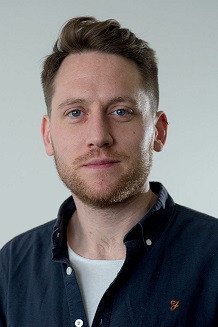
Read morePhD Researcher wins place in international ‘Falling Walls’ public engagement final
Badrilla Product Development – Apply by 30th Sep 2021
Duration: 12 weeks full time, or longer part-time
Location: Leeds, UK
Start date: Oct/Nov 2021
Company details | https://badrilla.com
Badrilla Ltd is a life science reagents company based in Leeds. We manufacture antibodies, chemistry kits and reference materials for biomedical research communities. These products are used by academics and pharmaceutical industry researchers world-wide.
The role
The internship will offer a chemically minded PhD student a chance to define the development of new research product(s). Taking one area of our business (e.g. S-palmitoylation), the intern will perform market research to review the needs of the field, and develop a proposal for the development of products to meet those needs. This proposal will evaluate the intellectual property landscape of the candidate product to ensure freedom to operate and will define the manufacturing and characterisation plan to create the product. Ideally, you will build a product prototype.
Responsibilities
- Review the scientific literature and market research to identify unmet needs of the target field
- Prioritise the opportunities from a commercial perspective
- Prioritise product development plans by primary market research
- Create a product specification
- Analyse the Intellectual Property landscape (freedom to operate) of the proposition
- Develop a manufacturing and characterisation plan for the product
- Manufacture a product prototype
Benefits to the student
The student will enhance their critical/analytical skills as applied to the development of commercial strategy; gain knowledge of Intellectual Property management; and lead an investment proposition within the company.
Benefits to the Company
The student will enhance our understanding of a field of growing importance in biomedicine, and extend the product offering to this field.
Ideal candidate
- Ph.D. student focussed on chemical biology, biochemistry or related with a particular interest in protein science
- Knowledge, experience and vision to identify future trends in research fields
- Interdisciplinary & inventive mindset
- Good analytical and presentation skills
- Good knowledge of chemistry and protein chemistry
Contact John Colyer, [email protected]
How to apply
Please send a covering letter and CV to John Colyer by 30th Sep, 2021. Interviews will be held during early October for a start ideally in October/November 2021. However, please also feel free to enquire if you are looking at a placement with a later potential start date.
Sygnature Discovery – Rolling deadline for 2022
 The Bioscience PIP (Professional Internship for PhD students) placement at Sygnature provides BBSRC-funded DTP PhD students the opportunity to broaden their research experience through exposure to a well-defined 3-month project in a pharmaceutical drug discovery setting. The project could involve techniques ranging from biophysics and enzymology to cell imaging, and include all elements from planning, independent lab work and analysis to presentation of results, within a growing and highly respected team.
Applicants should be pursuing a PhD in Biology or a related discipline. We mainly operate from our purpose-built facilities in BioCity, Nottingham, but also at Alderley Park, Cheshire and we are open to students undertaking their placement at either facility.
For more information about this placement and how to apply, click the link below:
https://www.sygnaturediscovery.com/careers/vacancies/phd-placement-students-pip-bioscience/
Lewis Hancock – Certara Simcyp
Lewis Hancock is a PhD student at the University of Sheffield who undertook a 3-month PIPS within the Simcyp division of Certara. Certara develops biosimulation and technology-enabled services to transform drug discovery and development, working across all therapeutic areas, including immuno-oncology, rare disease, CNS, respiratory disease, gene therapy, and global health, providing translational solutions from discovery to patient access. To find out more about Lewis’ PIPS experience check out our latest PIPS case study.
Exploring everyday plants: Get creative!
Nowadays a lot of us are most familiar with plants as decorative items, the millennial renters’ version of pets, but as you’ve seen through this blog series they have a much broader range of uses. This time we thought we’d introduce you to some creative activities you can try yourself!
HM Government open innovation policy – Deadline: 19 Sep 2021
I would like to inform you that today we are launching our recruitment round for our PhD placement programme for 2022. Applications are open from today until
Deadline for applications is 11.55pm on Sunday 19th September 2021.
For more information, download the flyer below. There is a link to apply embedded into the flyer or use the direct link to the application form if needed – http://bit.ly/3BJqBro.
Roz Latham – UKRI policy intern at The Royal Society
Roz Latham is a PhD student at the University of Leeds who did a 3-month remote placement with The Royal Society (RS), who are based in London. The RS is the UK’s National Academy of Science and has diverse functions, from funding and publishing scientific research, to public and educational engagement, to policy advice, among others. Read Roz’s case study below to find out what she got involved in and how she decided to pursue this placement!
What did you do?
I worked in The Royal Society’s Policy function – ‘Policy’ is the principles or course of action that an organisation (often the Government) sets to direct their actions in a particular area. For example, the Government’s science policy will dictate how much money the Government will invest in R&D or how to regulate different scientific technologies, to name a few. The Royal Society acts as one of many policy-advice bodies. This means they conduct research to understand the policy landscape and then write policy briefings/proposals for the Government to help them decide what policy to adopt. Such research includes desk-based research (reading news articles, other organisations’ reports, academic papers) and convening key stakeholders (academic experts, government departments, etc.) to discuss the issues at hand and collaboratively shape the policy for that area. My work was in the Genetic Technologies policy team. This team had two key streams of work and I was actively involved in both.
The majority of my work supported the RS’s policy proposal for how the UK should regulate the products of gene editing and genetic modification post-Brexit, as a follow up to their response to Defra’s consultation on the matter in 2021. I worked closely with my manager to map the policy landscape (i.e. what the UK and other countries currently do), and challenges to implementing the RS’s desired outcome (to regulate GE/GM based on the product not the process used to produce it). I attended meetings with key stakeholders (Defra’s Chief Scientific Advisor Gideon Henderson, leading plant science researchers and others) to listen to the highest-level discussions on the regulatory reforms – it was amazing to get exposure to such senior people across the public and academic sectors and listen to world experts discuss real regulatory challenges and opportunities. I also participated in smaller meetings with academics from Rothampsted Research to get their expert insights into the plant breeding process, and I was encouraged to lead the conversations which was a great opportunity. Alongside this broader work my key deliverables were to write an extended policy report on how the UK could incorporate non-safety considerations (ethics, sustainability, economics etc) into the new GE/GM regulations that will be created post-Brexit. My meetings with stakeholders as well as plenty of desk-based research fed into this, as did continuous feedback and guidance from my manager. I then turned this extended report into a 4 page ‘PostNote’ style policy briefing, intended as an executive summary to make the information accessible to a wider audience who don’t have the time or need to read the whole report (this is a common exercise in the policy world). I also initiated and led a workstream to develop the Royal Society’s support for employees with hidden disabilities, and wrote a briefing on how this could be done. To come away with concrete deliverables was really rewarding and gave focus and direction to my placement.
The other aspect of my work with the gene-tech team was to help organise the Third International Summit on Human Genome Editing. I sat in on the monthly summit-planning committee meetings, whose members included multiple Nobel Laureates and other world experts in gene-editing technologies, law, bioethics, clinical medicine and regulations. This gave me incredible exposure to the most high-level discussions from world experts on how to shape the International Summit. My work included minute taking and metrics gathering and analysis.
Overall, my work was diverse, interesting and very rewarding. I can’t recommend a policy placement with the RS more.
What made you want to do that particular placement?
I became aware of Policy as a potential career route from my sister who is a policy advisor in the Civil Service, and after learning more about it from her I thought it could match my skill set and interests well. I saw the UKRI policy internship scheme advertised and I chose The Royal Society as my first-choice host organisation (more details below). I chose the RS because they had a Genetic Technologies team and as I work in gene-editing for my PhD and am very interested in how to regulate gene-tech to maximise societal benefit and minimise harm, this was the perfect fit for me. Also, the RS has a historic and international reputation as one of the world-leading authorities on science policy, and has access to the most important and influential science and policy stakeholders so I knew I would get a lot of exposure and great insights working with them.
How did you go about finding and planning your PIPS?
Having identified Policy as an area I wanted to experience I kept an eye on the WR newsletter for PIPs opportunities. I saw the UKRI policy internship scheme advertised and went through their application process – most Policy internships available to PGRs are provided through this UKRI policy internship scheme. There are ~30 ‘host organisations’ that you choose from (selecting your first and second choice) and adapt your application to your chosen host organisation, but using the centralised UKRI application portal and deadlines.
Having gone through the application process (CV, answers to questions such as ‘why this host organisation, why policy, describe your PhD in 250 words to a non-science audience’, and writing a 2 page policy briefing on a topic of my choice), I was selected for interview via Zoom. When I was offered the place I was in touch with a member of the RS directly to arrange my start date and delivery of my IT equipment as I worked from home due to the pandemic. Overall, it was a very easy process.
What have you gained from doing your PIPS?
I’ve gained a great taste for policy research (although I recognise policy research at a Learned Society is very different to that working for the Government). It’s given me a lot of motivation to pursue this as a career, which is what I’d hoped to get out of my PIPs. I’ve had great exposure to influential people, seen first-hand a glimpse how regulations are formed, gained confidence in my abilities outside of anything I’ve ever tried before, developed policy-writing skills and just overall had a really fun time!
How would you sum up your PIPS experience?
I had a really great time on my PIPs. The team at the RS were so friendly, fun, supportive and interesting. I had great mentorship from my manager and had monthly catch-ups with the Chief Science Policy Officer along with other interns, so interns at the RS are really respected and valued. Despite working from home I actually ‘met’ lots of people (as an intern you’re encouraged to network outside of your team and learn what other people at the RS do) so I have come away with some great relationships. I had to be proactive to set myself challenging targets, but because I did I had such a rewarding, stimulating and stretching experience that has given me skills, experience and confidence to take back to my PhD and for the future job hunt.
What advice would you give to other PGRs about PIPS?
I think with every PIPS you get out what you put in. I had to be proactive and push for objectives, set myself stretching targets with the guidance of my manager, and take the initiative to develop workstreams in areas I was passionate about. But the RS is the perfect place to do that as I was given the autonomy and support to do so. If after some research you think you’d be genuinely interested in science policy and want a place that gives you creative freedom to explore different areas, skills and situations then I’d really recommend the RS’s Policy placement.
Other advice is to be proactive at looking for these opportunities: the UKRI policy internship scheme only opens for applications once a year. And the application process is pretty intense (it took me a whole week as I had to write a policy briefing from scratch + other application questions) so check out what the deadlines are and what you need to do before them. Also do your research on the organisation, whether you are inspired by their work and think you’d like to work for them after your PhD. Try and use your network to see if you can get in contact with anyone who’s done a placement with that organisation before (very useful for interview prep).
Overall, be proactive and also be excited at the opportunity to try something new for 3 months and think about whether that could inspire a future career.
Note from the DTP Co-ordinator:
Think you might be interested in a UKRI policy internship?
The annual application portal for the UKRI policy internships has recently opened for placements to take place in 2022. The closing date for applications is 4th October 2021. For more information on the scheme and how to apply, see the PIPS advert on this website – note the information about expenses – and follow the link from there:
UKRI policy internships – Deadline: 4 Oct 2021
The UKRI Policy Internships Scheme for 2020/21 is now open and the closing date for applications is 16.00 on 4 October 2021.
The scheme provides the opportunity for doctoral students funded by the Research Councils of UKRI to work for three months in one of a selected group of highly influential policy organisations.
Full details of how to apply, including links to the online application form and guidance documents are available through the UK Research & Innovation policy internships webpage.
Notes from the DTP:
Expenses – The UKRI provides eligible travel and accommodation costs up to £2,400. In addition, you can claim up to a maximum of £1,000 from the DTP as a PIPS allowance. You therefore have a potential amount of £3,400 available for travel and accommodation. We would expect this to cover the full cost of the internship.
Information and advice – DTP students have previously undertaken UKRI policy internships. Feel free to get in touch with your local PIPS contact to ask if they know of any current students they can put you in touch with for an informal chat about the placement and how to find accommodation, etc.
North-East Postgraduate Conference (NEPG) Free to Register and Present!
Hello all!
An exciting opportunity is available to all White Rose students interested in medical, bioscience and related STEM fields. The North-East Postgraduate Conference (NEPG), hosted online, is a free to attend conference in which you can present, listen to some keynote speakers, and take part in workshops. The event runs this year from 11th to 12th November 2021 with the theme being Empower, Connect, Innovate.
If you are interested in gaining some useful conference skills or would just like to network feel free to register at submit an abstract submission by the 3rd September 2021 at (ne-pg.co.uk).
Good luck if you submit!
UKRI Artificial Intelligence Survey!
Hello all,
The UKRI is looking for input as to how artificial intelligence (AI) can be used in biosciences to help them identify future hurdles associated with AI roll out.
The survey is currently live with it closing on 22nd September 2021 more information along with how to complete the survey is in the link below. So if you want to help direct how AI is used in biosciences in the future fill in the survey!
Proteintech – Deadline: 17 Sep 2021
Proteintech, we are looking to offer an internship placement to PhD students. Proteintech is a Biotech company specialising in antibodies and related reagents, and our Europe headquarters are based in Manchester City Centre.
The internship at Proteintech would offer students biotech industry experience with a focus on scientific communications, marketing and events management. The European Team is small and friendly, with the students being closely managed by Dr Rebecca Northeast and the Managing Director. The students will be involved in activities in all sectors of the company, Marketing, R&D and Sales, and the aim is to provide good careers advice and continued support for future applications.
More information regarding the internship can be found in the attached advert.
The closing date for applications is 17th September 2021.
Another award for a White Rose student!

Cara Wheeldon of The University of Leeds has won the 2021 Monogram Early Career Excellence Award (MECEA)! Her work on barley, pea, and Arabidopsis plant sensing genes could potentially increase our growing understanding of how plant roots interact with each other and their environment. Identifying and understanding these genetic functions could potentially improve crop health and productivity. Obviously both Cara Wheeldon and the potential of her research greatly impressed the Monogram and Rank Prize Fund’s. As part of the DTP she has done us proud and we hope to continue to see her and others succeed!

Cara’s Profile: https://www.whiterose-mechanisticbiology-dtp.ac.uk/phdproject/the-role-of-root-exudates-in-density-dependent-growth-responses-in-plants/
YES20: Team Mycrobio’s journey
You may have heard about the YES competition before – but what does it actually entail and why should you consider joining? We caught up with our DTP-funded team Mycrobio, made up of 5 White Rose DTP PhD students, who took part in the YES20 edition of the competition and won a prize at the final! Read our interview with the team below to find out all about their experience.
Virtual conferences: how to make your research more accessible.

Remote conferences and seminars bypass the logistical, financial and environmental burdens of travelling. They can also encourage a greater diversity of participants, readily bringing together expertise and perspective from various career stages and backgrounds. However, virtual meetings are not without their drawbacks, especially when it comes to accessibility. Indeed, many of these problems have been highlighted as people turn away from the face-to-face format in response to the COVID-19 pandemic. Perhaps with the current momentum of online platforms, now is the ideal time to address these issues and improve the accessibility of our online meetings for now and in the future. Here, we highlight some accessibility barriers that are often overlooked in online meetings and offer advice to organisers and presenters on how to mitigate these.
Read moreVirtual conferences: how to make your research more accessible.
MORF coding – Apply anytime
MORF is a web-based platform for storing, sharing and interrogating multi-omics data. It was custom built in the Thomas group at York as part of the DETOX project, for which it is a key resource for analysing and disseminating project data. MORF is now being developed as a service for academics and industry to use for their own data, either for their own primary analysis and use or for data dissemination through publications and other routes.
We are looking for a PIPS intern with a strong interest in programming to work in the MORF team, developing the platform and delivering MORF projects for clients. As well as having the chance to put their coding skills to the test, the intern will join the exciting journey to commercialise MORF!
Candidate requirements
Essential:
- Experience of programming with Python and R.
- BSc in biology or a related subject
- Excellent communication skills
Desirable
- Web development with JavaScript
- Good knowledge of ‘omics technologies and microbiology
Placement
This opportunity is expected to be fulfilled remotely by a candidate with access to their own computer and internet, supported by in person meetings in York with the MORF team. The candidate will develop their coding skills and apply this to data visualization, integration and analysis problems to help improve the functionality of the tool. Experience in teamwork, time management and customer facing communication will be gained. There may also be opportunities to contribute to publications in this role.
Application Details
Please contact MORF Business Manager Joyce Bennett for informal enquiries and to submit your application and cover letter: [email protected]
APHA (DEFRA) at York – Deadline: 15th July 2021
The Animal and Plant Health Agency (APHA) is an executive agency of the Department for the Environment, Food and Rural Affairs (DEFRA). We are looking for a PIPS intern to work within the APHA Wildlife Department, based near York. The department is a nationally important centre for wildlife disease management with multidisciplinary skills in epidemiology, statistics, and field ecology.
The position is for three months. The placement ends in October 2021, but the start date is flexible. The working pattern can be flexible, but you will be expected to spend some part of your time on site.
For further details, including how to apply, download the flyer:
The application deadline is 15th July 2021.